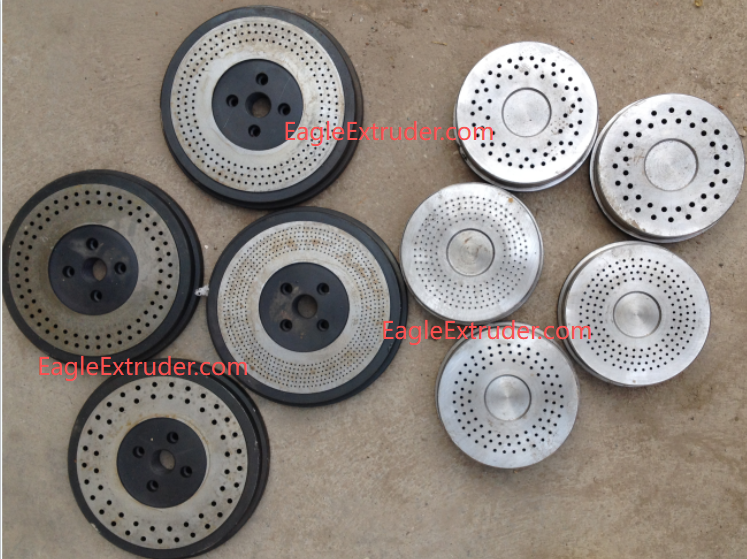
In the fish feed manufacturing process, the mold plays a crucial role in determining the characteristics of the final product, whether it's floating or sinking fish feed. As a leading provider of advanced fish feed machinery, Jinan Eagle Food Machinery has extensive experience in optimizing fish feed production to meet the specific needs of aquaculture.
Understanding the Differences Between Floating and Sinking Fish Feed
Before diving into the impact of molds, it's important to differentiate between the two primary types of fish feed:
Floating Fish Feed: This type of feed is designed to float on the surface of the water. It's typically used for carnivorous fish species that feed on the surface, allowing for easy monitoring and reducing waste.
Sinking Fish Feed: Sinking feed is formulated to sink quickly to the bottom of the water. It's ideal for bottom-feeding fish, where the feed needs to be available at lower water depths.
Both types of feed require distinct physical properties to ensure optimal performance, which is where the choice of mold becomes essential.
The Role of Molds in Feed Production
Fish feed molds are crucial for shaping the feed particles during the extrusion process. The design and configuration of the mold determine the texture, density, and shape of the feed. These factors directly affect the feed’s buoyancy, stability, and digestibility. Here’s how molds influence floating and sinking feed:
1. Mold Shape and Size
Floating Feed Molds: Floating feed requires a specific shape and size of mold openings. The feed particles need to have a certain porosity to trap air within them, ensuring they remain buoyant. Molds that create puffed, porous, and hollow shapes are ideal for producing high-quality floating feed.
Sinking Feed Molds: Sinking feed requires a denser, more compact mold to ensure the particles sink quickly when added to water. These molds create smaller, denser pellets with minimal air pockets, making them more suited to sinking behavior.
2. Mold Hole Size and Thickness: Their Impact on Output
The size and thickness of the holes in the mold have a direct impact on both the output of the equipment and the quality of the fish feed produced.
Mold Hole Size: The diameter of the mold holes determines the size and shape of the pellets. Larger holes create larger feed particles, while smaller holes result in smaller pellets. The choice of hole size is essential to meet specific feeding requirements. For floating feed, larger holes are often preferred to create larger, more porous particles that trap air, helping the feed float. On the other hand, sinking feed requires smaller, denser pellets, which can be achieved by using smaller mold holes.
Larger Mold Holes: When producing floating feed, molds with larger holes tend to create pellets that are light and buoyant, as the increased surface area allows more air to be trapped inside the feed. This results in longer float times and better visibility for monitoring feeding activity.
Smaller Mold Holes: For sinking feed, smaller mold holes create more compact pellets with reduced air pockets, ensuring that the feed sinks quickly and consistently to the bottom. These smaller pellets allow for better nutrient absorption by the fish at the appropriate feeding depths.
Mold Thickness: The thickness of the mold wall can also affect the extrusion process and feed characteristics. Thicker molds generally create more compact and denser pellets, while thinner molds may allow for more expansion and less density in the pellets.
Thicker Molds: Thicker molds create denser and firmer pellets, which are ideal for sinking feed. They ensure that the pellets maintain their shape under water and do not break apart easily. However, thicker molds can sometimes reduce the extrusion speed, which may decrease overall production rates.
Thinner Molds: Thinner molds, by contrast, produce lighter, puffier pellets. While this is advantageous for floating feed, it can decrease the durability of the pellets, making them more likely to disintegrate in water if not properly formulated.
3. Pellet Density Control
Through precise adjustments in mold design, manufacturers can control the density of the pellets. For floating feed, molds are designed to create a lighter, more aerated product. For sinking feed, molds create denser pellets, ensuring they sink at the desired rate and don’t float to the surface, leading to inefficiencies in feeding.
Why the Right Mold is Crucial for Quality Feed
The quality of fish feed depends not only on the ingredients but also on the mold used during the production process. Poor mold design can result in pellets that either don't sink or float for too long, both of which lead to poor feed conversion rates and wasted resources.
Here’s how selecting the right mold design improves feed performance:
Better Feed Conversion: By creating pellets with the right density, molds help fish digest the feed more effectively, improving the overall growth and health of the fish.
Enhanced Feed Efficiency: The right mold ensures that the feed does not float for too long or sink too quickly, allowing fish to eat at their preferred depth and ensuring maximum feeding efficiency.
Waste Reduction: With properly formed pellets, less feed is wasted, as the feed remains intact until consumed, preventing nutrient loss and contamination in the water.
Why Choose Jinan Eagle Food Machinery for Your Fish Feed Equipment?
At Jinan Eagle Food Machinery, we specialize in providing high-quality fish feed production lines, including advanced extrusion systems and molds designed for both floating and sinking fish feed. Our experience in the industry allows us to understand the complex needs of aquaculture and provide tailored solutions that improve feed performance and reduce operational costs.
We offer customized molds that cater to various fish species and feeding requirements, ensuring optimal performance for both floating and sinking feeds. Our commitment to quality and innovation ensures that your fish feed production will be efficient, effective, and sustainable.